
Use Your Hand to Size Your Portions (No Scale Needed)
You don't need a food scale or measuring cups to keep portions in check. Your hand is a portion guide you always have with you.
By The Founder · November 15, 2026
4 min read · Blood sugar
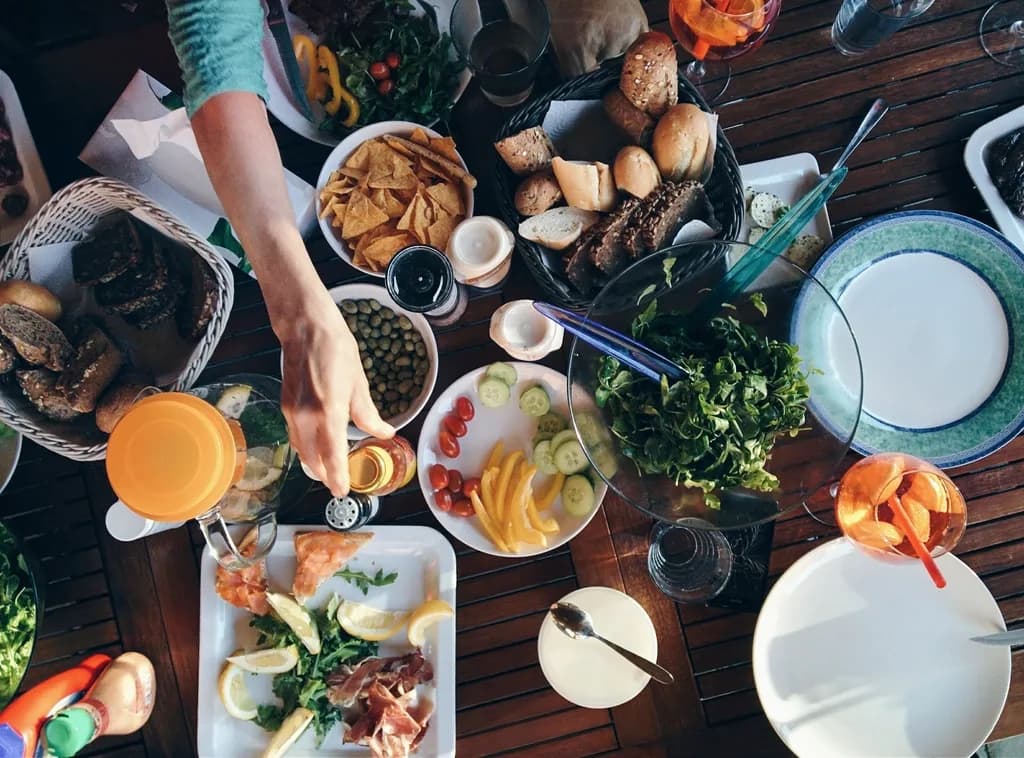
Most of us don't weigh our food. We eat at work, at a friend's house, at a restaurant, or standing in the kitchen at 7 p.m. trying to get dinner on the table. Measuring cups and food scales are useful, but they aren't there most of the time.
Your hand is. And it turns out to be a surprisingly handy portion guide, especially if you're watching your blood sugar and want to keep starchy sides from quietly growing.
The four hand portions
Here's the whole system. One hand, four shapes.
Your palm = one serving of protein. The flat part of your hand, about as thick as your palm, is roughly one serving of chicken, fish, pork, beef, tofu or tempeh. For eggs, think two to three.
Your fist = about one cup of starchy food. A closed fist is about one cup. Use it for rice, pasta, potatoes, corn, beans, cereal or a big piece of fruit. This is the one that matters most for blood sugar, because starchy foods carry most of a meal's carbohydrate.
Two open hands = non-starchy vegetables. Cup both hands together and fill them: salad greens, broccoli, green beans, peppers, cabbage, zucchini, mushrooms. These are the foods you can usually be generous with.
Your thumb = about one tablespoon of fat. The whole length of your thumb is about one tablespoon of oil, butter, peanut butter, mayonnaise or salad dressing. Fats are easy to pour without noticing, so the thumb is a good check.
That's it. Palm, fist, two hands, thumb.
Why it works (and why it isn't exact)
Hands come in different sizes, and that's partly the point. A bigger person usually has bigger hands and needs bigger portions. A smaller person has smaller hands and needs less. The guide scales with you without any math.
It isn't precise. A fist of white rice and a fist of brown rice have different amounts of fiber. A palm of salmon and a palm of chicken breast have different amounts of fat. If your care team has given you a specific carb target, the hand guide is a quick check, not a replacement for the numbers.
What it's good at is catching drift. Portions creep up over time, especially starchy sides. The plate gets a little fuller, the pasta bowl gets a little bigger. A quick look at your fist next to the rice is often enough to notice.
What it looks like at each meal
Here's how the hand guide might look across a regular day. These are examples, not prescriptions. Your needs depend on your body, your activity and your goals.
Breakfast
- Palm: two eggs, scrambled
- Fist: one slice of whole-grain toast, or a small bowl of oatmeal
- Two hands: sautéed spinach and peppers, or a side of tomatoes
- Thumb: the butter or oil you cooked the eggs in
Lunch
- Palm: grilled chicken or a can of tuna
- Fist: a cup of black beans or a small whole-wheat wrap
- Two hands: a big pile of salad greens, cucumber and carrots
- Thumb: dressing or a few slices of avocado
Dinner
- Palm: a piece of salmon or a scoop of turkey chili
- Fist: a cup of brown rice or a small baked potato
- Two hands: roasted broccoli or green beans
- Thumb: the olive oil the vegetables were roasted in
Snacks
- Fist: an apple, a cup of berries, or a small handful of crackers
- Thumb: a tablespoon of peanut butter to go with it
Notice the pattern: protein and vegetables anchor each meal, the starchy food is one fist, and the fats are a thumb. That's a balanced plate, and it's easy to remember when you're not at home.
A trick for mixed dishes
Casseroles, stir-fries, chili and pasta dishes are harder, because everything is mixed together. Two things help.
First, serve it in a smaller bowl. A full small bowl feels like a meal. A half-full big bowl feels like you're missing out, even when it's the same amount of food.
Second, add the vegetables on the side. If the main dish is mostly starch, like pasta, fill two open hands with salad or roasted vegetables first, then add the pasta. The plate still looks full, and the starchy part stays closer to a fist.
Eating out
Restaurant portions are often two or three fists of starch on one plate. You don't have to clean the plate. A few options:
- Ask for a to-go box when the food arrives and set half aside right away.
- Swap fries or a second starch for a side salad or vegetables, when that's an option.
- Share a starchy side with someone at the table.
You don't need to do this every time. Even once or twice a week adds up.
The bottom line
Palm for protein. Fist for starchy foods. Two open hands for vegetables. Thumb for fats. It's not perfect, but it's always with you, and it keeps the starchy part of the plate from quietly growing.
FÜDAVA sizes every meal in your plan for you, with carbs, fiber and net carbs looked up in USDA food data instead of guessed. We're launching on Google Play on November 17, and the Android app is still open to testers until then. Join the testers here.
This article is general information, not medical advice. If you have diabetes or take medicine that lowers blood sugar, talk to your doctor or dietitian about the portion sizes and carb targets that are right for you.